Living history weekend to illuminate ‘extraordinary stories’ from Yorktown during British occupation
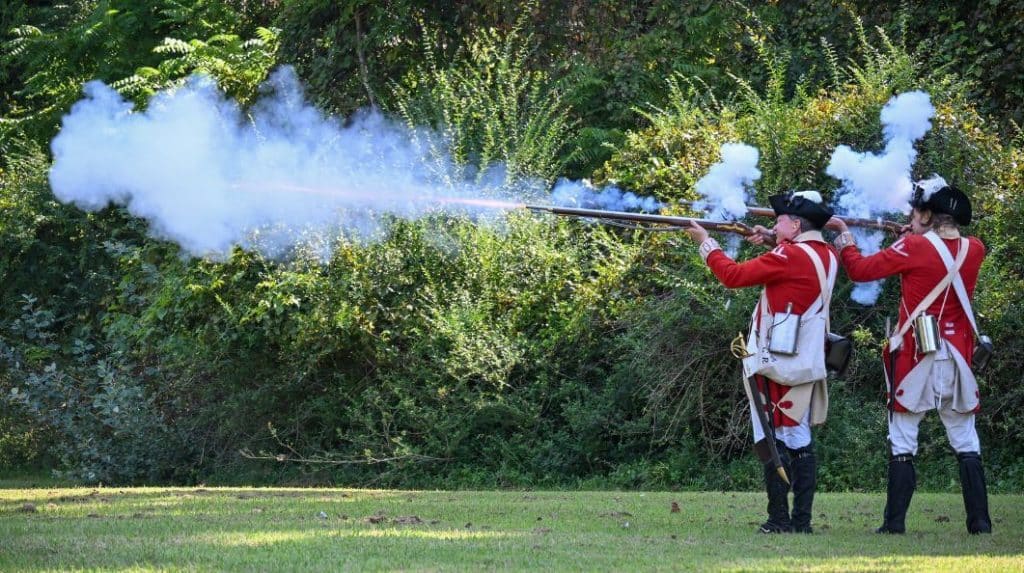
YORKTOWN – Colonial National Historical Park will host a weekend-long, immersive event to illuminate life in colonial Yorktown prior to the victory of the Allied forces.
“Yorktown 1781: Before the Siege” invites the public to travel back in time and experience historic Main Street when it was still a bustling, British-occupied town.
Slated for Sept. 12 and 13, the event highlights the weeks leading up to the history-altering Siege of Yorktown.
Guests will witness the daily routines, military preparations and personal stories from soldiers and residents who navigated the uncertainty of the American Revolution’s final major engagement.
“The weekend offers a unique chance to step directly into Yorktown’s past,” said Colonial National Historical Park Superintendent Jerri Marr. “This program is one of many special events leading us toward the 250th anniversary of the Surrender at Yorktown in 2031 — each designed to deepen connections to the extraordinary stories preserved here.”
Park rangers and living history volunteers will present a variety of programs and activities each day, including historic weapons demonstrations, military drills and camp life interpretation, from 10 a.m. to 3:30 p.m.
Looking back: The Yorktown battle was decisive but brutal for British troops
Generals Washington and Rochambeau arrived in Williamsburg on Sept. 14, 1781, where they met General Lafayette, who commanded American forces in Virginia. The allied troops soon followed behind with a trove of supplies and equipment.
The Siege of Yorktown formally began on Sept. 28, when the allies marched from Williamsburg to Yorktown to take on Cornwallis’s 7,500-man army.
After days of intense battle and mounting British troop casualties, Cornwallis planned an escape from Yorktown on Oct. 16. Able-bodied troops began crossing the river by ferry to Gloucester Point, but a sudden severe storm forced them to abandon their evacuation effort.
The allies strengthened their control around Yorktown in the weeks that followed. By Oct. 17, Cornwallis had run out of heavy ammunition, writing that many of his men had become disabled, fallen ill with dysentery and smallpox and had little food other than “rancid meat and wormy biscuits.”
The British garrison at Yorktown marched to Surrender Field to lay down their arms on Oct. 19, marking what the Historical Marker Database calls “the greatest and most decisive victory” of the Revolutionary War, leading the way to American independence.
‘Before the Siege’ aims to shed light on the ‘whole story’
Event organizer Michael Rolla said “Before the Siege” aims to dispel some misinformation about the British soldiers, who have historically been painted as barbaric due to propaganda distributed by the patriots.
The reality, according to Rolla, is that the British forces were made up of men both young and old who made tremendous sacrifices in hopes of achieving their dreams and aspirations.
“They were English, Scottish, Irish, Swiss, German, Americans, Indigenous people and former slaves. They were husbands, sons and brothers,” Rolla said. “Some were well-off; others were not. They left families behind hoping to provide support for them. They had doubts and fears. They weren’t perfect, but neither were their counterparts.”
The event also draws attention to the seldom-discussed plight of the Loyalists – the colonial families who remained loyal to the monarchy after the war. Many were run out of their homes, with some fleeing to Canada with few belongings and no financial resources, Rolla said.
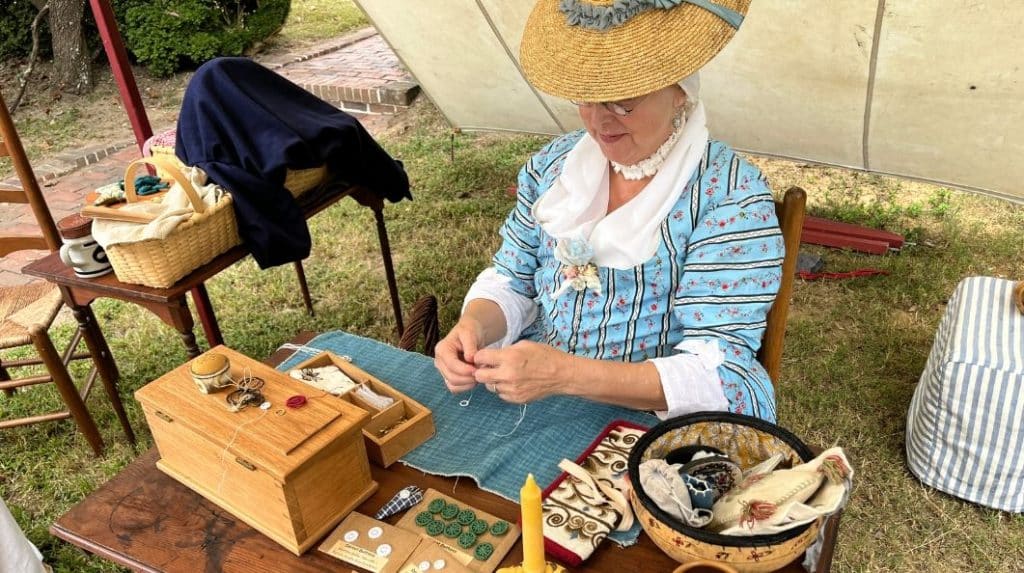
Visitors will glimpse into daily life of not only British soldiers but also the women and children who traveled with the troops to assist with chores and meal preparation. Tours of Lord Cornwallis’ headquarters will be offered at the Nelson House, and guests can explore the Royal Navy’s encampment next to the Burcher Cottage.
Reenactor Tim Smith added that the event will allow guests to gain a deeper understanding of the “whole story” surrounding life in Historic Yorktown prior to the Siege.
“When you turn the street into that time period, it’s an immersion, and it’s not like any other historic village,” Smith said.
For additional information, visit visityorktown.org.
Thanks for reading! Will you help make our journalism possible?
The Triangle is a uniquely independent news source for Virginia's Historic Triangle and the surrounding region. We need our community's support to keep producing quality local journalism.
Author