James City County hikes meals tax, adds new admissions tax after tense budget debates
JAMES CITY COUNTY – It will soon be a bit more expensive to dine out, go to a movie or visit Busch Gardens in James City County.
The Board of Supervisors voted last Tuesday to raise the meals tax and establish a new admissions tax, though they were not all in agreement with the plan.
The tax resolutions were adopted as part of a $413.1 million fiscal year 2027 budget, which was approved by a vote of 3-2. Supervisors Tracy Wainwright and Barbara Null were in opposition.
Taxes on prepared meals sold in the county will increase by 50%, rising from 4% to 6%. To give businesses time to adjust, the rate change will be delayed, with an effective date of Jan. 1, 2027.
A new admissions tax of 5% was also approved, though it was not included in County Administrator Scott Stevens’ original budget.
Until recently, counties in the Historic Triangle were barred from implementing an admissions tax. During the 2026 legislative session, however, the General Assembly passed a bill authorizing the counties to levy a tax of up to 10% on certain venues and events.
Board Chair John McGlennon said local officials advocated for the legislation.
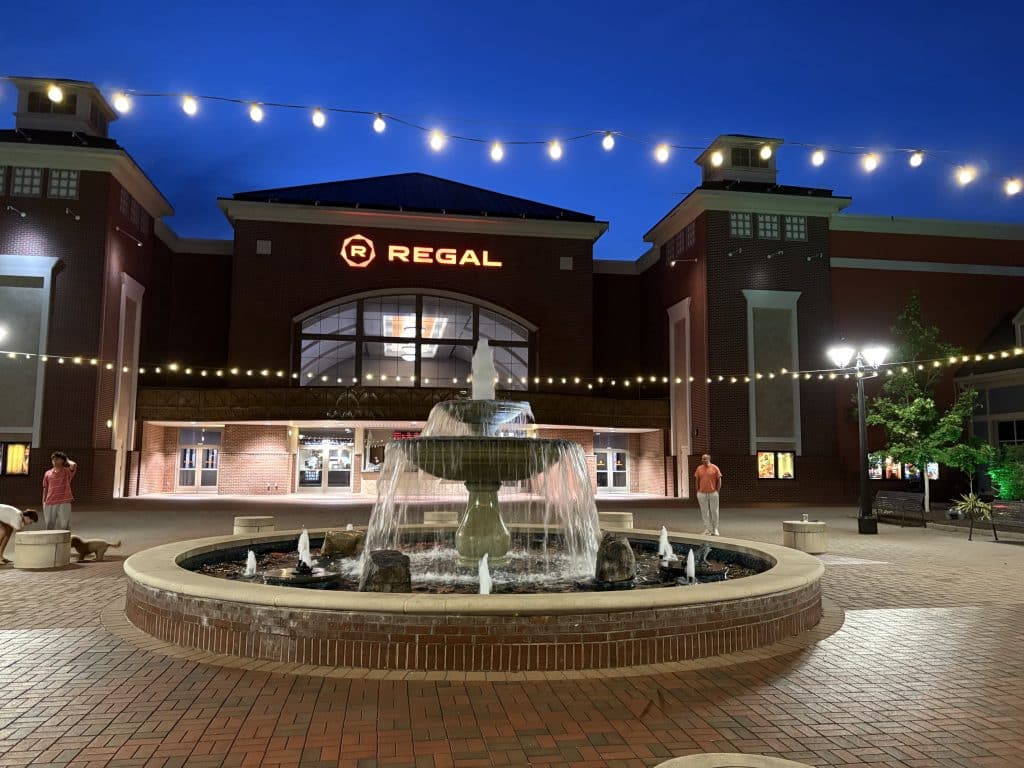
The admissions tax will, at least for now, only be applied to amusement or theme parks and movie theaters, namely Busch Gardens and Regal Cinemas.
The ordinance goes into effect on July 1 and is expected to generate about $5 million in additional revenue for the county, according to Sharon McCarthy, director of financial and management services.
Breaking from their colleagues, Wainwright and Null made it clear that they could not support the admissions tax or the higher meals tax.
“Just because we can, doesn’t mean we have to do it,” Null said of the admissions tax before voting “no.”
McGlennon said the introduction of the admissions tax will make it possible to keep real estate taxes lower while outsourcing more costs to visitors.
“I think it is an important opportunity for us to take advantage of the fact that the General Assembly has provided us with this admissions tax for the first time,” Supervisor John McGlennon said. “This [tax] will provide some additional revenue that would not be derived from real estate rates.”
But Wainwright said the board’s obligations are to the county’s citizens and “not to our state legislators.” Before voting against the measure, she said residents want the board to be “fiscally responsible” and avoid raising taxes.
Vice Chair Ruth Larson was hesitant to target only specific industries for the new admissions tax. Stevens clarified that the ordinance can be amended “at any time.”
Supervisors would need to undergo a formal process to add or remove specific venues or events from the tax requirement.
The meals tax increase was just as controversial.
Throughout the budget cycle, Williamsburg Area Restaurant Association (WARA) members spoke out against the proposed increase, saying it could harm local restaurants by driving down sales.
Larson, however, said she has had productive discussions with WARA about the issue. Many restaurant owners have come to terms with the fact that the meals tax rate will be similar across all three Historic Triangle localities, she said.
“Across this country, localities are having to face ways other than real estate tax to raise their revenue for much-needed things,” Larson said. “And I do think that this county has been fiscally responsible.”
McGlennon agreed, noting that visitors will contribute to the revenue generated by the meals tax, reducing the tax burden on citizens.
“A significant portion of this additional cost will in fact be paid by visitors to the area,” McGlennon said of the higher meals tax. “It will not be a factor that affects very many people in a significant way.”
Wainwright said diners are ordering fewer appetizers, drinks and desserts, partially because they are trying to offset the cost of the meals tax. That reduction in sales ultimately impacts the revenue the county receives, lowers profit margins for restaurants and reduces tips for servers, she added.
“Our servers work hard. They basically only make tips,” Wainwright said. “I think there’s going to be a ripple effect that has an impact that I’m not sure has been taken into consideration. And I don’t think we’re going to bring in a lot more tax, because people are going to be having a smaller bill.”
The board also approved a one-time real estate tax credit of 2 cents per $100 in assessed value. The cut will lower the effective rate to 78 cents, which will provide a savings of about $3.65 million for taxpayers.
The credit will appear on December 2026 and June 2027 property tax bills, according to McCarthy.
McGlennon acknowledged that the supervisors will not always see eye-to-eye but said conversations regarding the county’s tax and revenue options can continue after the budget is adopted.
“We’re going to have differing perspectives on some of these matters,” McGlennon said.
Thanks for reading! Will you help make our journalism possible?
The Triangle is a uniquely independent news source for Virginia's Historic Triangle and the surrounding region. We need our community's support to keep producing quality local journalism.
Author